


Free-Range Chicken Farming in the Philippines: Land, Housing, Feeding and Management 2026 Guide
Free-Range Chicken Farming in the Philippines: Complete Beginner Guide (2026)
That guide covers the full business overview — breeds, costs, income potential, health, and market outlook. This article focuses specifically on the operational setup: land, housing design, feeding, and daily management.
Free-range chicken farming in the Philippines is not complicated — but it requires doing several basic things correctly and consistently. Many beginners waste money because they build the wrong housing, choose the wrong breed for their goal, or set up their feeding program without understanding the growth stages. This guide fixes that.
This 2026-updated article walks you through every operational decision you need to make as a new free-range farmer — from choosing your land and building your coop, to selecting breeds, setting up your feeding program, and managing your flock through the daily, weekly, and seasonal cycles that determine your profitability.
1. What Free-Range Chicken Farming Actually Means in the Philippines
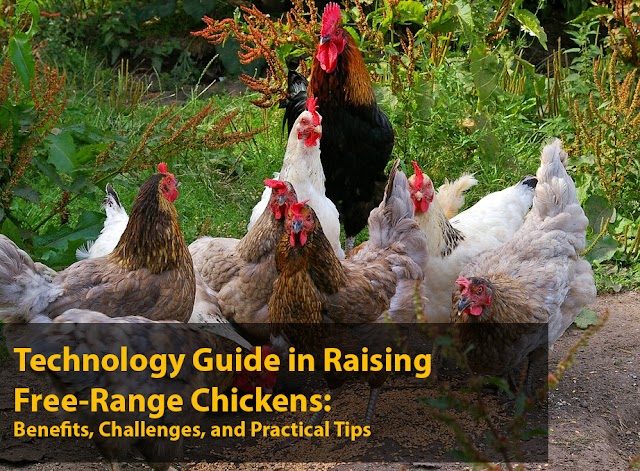
Free-range farming is a system where chickens have consistent access to outdoor space where they can express natural behaviors — scratching soil, foraging for insects and grass, dust bathing, and moving freely. A proper free-range setup has two essential components: a secure indoor coop for shelter and nighttime protection, and a spacious fenced outdoor ranging area for daytime activity.
This is distinct from cage farming, where birds are confined with limited movement, and from backyard tethering, where chickens are tied and cannot truly range. Authentic free-range production results in lower-stress birds, more nutritious eggs with deeper-colored yolks, firmer and more flavorful meat, and a product that Filipino consumers recognize and pay a premium for.
The Bureau of Agriculture and Fisheries Standards (BAFS) defines the official requirements for free-range chicken production in the Philippines. Key provisions include:
- Mandatory outdoor access during daylight hours
- Minimum of 1 square meter of indoor space per bird
- Prohibition on growth hormones and routine antibiotic use
- Beak trimming strictly prohibited
- Housing must provide natural ventilation and protection from weather
Free-Range vs. Cage Farming — Key Differences
| Factor | Cage / Commercial System | Free-Range System |
|---|---|---|
| Bird movement | Confined; minimal to no movement | Unrestricted daytime outdoor access |
| Growth rate | Harvest at 30–35 days (broilers) | Harvest at 75–90 days |
| Feed management | 100% commercial formula feed | Commercial feed + natural forage + local supplements |
| Disease risk | High density = rapid disease spread | Open environment = different exposure profile; outdoor pathogens |
| Product quality | Uniform, tender; mild flavor | Firmer texture, deeper flavor, more nutritious eggs |
| Selling price (meat) | ₱190–₱230/kilo dressed (2026) | ₱350–₱500/kilo dressed (2026) |
| Selling price (eggs) | ₱8–₱10 per piece (2026) | ₱12–₱18 per piece (2026) |
| Capital requirement | High (automated systems, controlled environment) | Moderate — can start small with bamboo housing |
2. Choosing the Right Breed for Your Farm and Goals
Breed selection is one of the most consequential decisions you will make. The wrong breed for your system, climate, or market goal costs you money from Day 1 in underperformance, poor egg production, or low buyer acceptance. The right breed makes everything easier.
For Philippine free-range farming in 2026, you have four main categories to choose from: proven imported dual-purpose breeds, Dominant CZ/DZ hybrid lines, Sasso and Hubbard hybrids, and Philippine native/local breeds. Each suits a different farmer goal.
Breed Comparison Guide — 2026
| Breed | Type | Egg Production | Meat Quality | Best For |
|---|---|---|---|---|
| Rhode Island Red (RIR) | Dual-purpose | High — 200–280 eggs/year | Good — moderate size, good flavor | Farmers who want both egg and meat income; most beginner-friendly option |
| Dominant CZ / DZ lines | Dual-purpose hybrid | High — known for strong laying even in backyard conditions | Good — faster growth than RIR | Semi-commercial farms that want faster turnover; distributed by DA and LGUs in many areas |
| Barred Plymouth Rock (BPR) | Dual-purpose | Moderate — 150–200 eggs/year | Excellent — highly regarded meat quality | Farms targeting restaurants and meat buyers who pay for quality |
| Sasso (French hybrid) | Colored meat hybrid | Moderate | Excellent — fast growth (60–70 days), good flavor | Meat-focused farms with high-volume buyers; available from Bounty Fresh and other distributors |
| Black Australorp | Layer/dual-purpose | Very high — up to 300 eggs/year | Good | Farms focused primarily on egg production |
| Native Philippine breeds (Banaba, Darag, Batangas native) | Native dual-purpose | Low to moderate — 100–150 eggs/year | Excellent — prized flavor; commands highest premium | Organic/authentic native chicken market; premium restaurant supply |
3. Land Requirements and Farm Location
The right location protects your flock, reduces your operating costs, and makes daily management practical. These are the factors that matter most when evaluating a site.
Space Requirements for 100 Birds
| Area | Minimum Size | Recommended Size | Notes |
|---|---|---|---|
| Indoor housing / coop | 80 sq. meters | 100 sq. meters | PNS/BAFS standard: 1 sq. meter per bird minimum |
| Outdoor ranging area | 100 sq. meters | 200–400 sq. meters | More space = better foraging, lower feed cost, healthier birds |
| Buffer / service area | 20 sq. meters | 30–40 sq. meters | Space for feed storage, equipment, foot bath, entry path |
| Total minimum land | ~200 sq. meters | 300–550 sq. meters | Larger lots allow rotation of ranging areas to maintain pasture health |
Location Checklist
- Water supply: A reliable, clean water source is essential. Chickens need fresh water changed at least twice daily. Hauling water from a distance significantly increases labor cost.
- Distance from highways and noise sources: Chronic noise stress suppresses egg production and growth. Keep the farm at least 50 meters from major roads if possible.
- Shade and natural cover: Trees, bamboo groves, or banana plants within the ranging area provide shade from heat and cover from aerial predators (hawks). Existing shade is a free asset — preserve it.
- Drainage: The farm must not flood during heavy rains. Poor drainage creates wet litter, which causes respiratory disease and Coccidiosis. Slightly elevated or gently sloping land is ideal.
- Predator risk: Assess the local predator profile before choosing a site. Farms near forests, rivers, or areas with known monitor lizard or python activity need stronger infrastructure investment from the start.
- Access for delivery and buyers: If you plan farm-gate sales or regular feed deliveries, the farm must be reachable by tricycle or light vehicle.
4. Coop Design and Housing — 2026 Updated Standards
Free-range chickens still need a solid, safe indoor shelter for nighttime protection, egg laying, roosting, and protection from extreme weather. The Philippine climate — hot, humid, with heavy monsoon rains and typhoon exposure — demands specific design choices that differ from temperate-country housing guides.
Core Housing Design Principles for the Philippines
| Design Element | Recommendation | Why It Matters |
|---|---|---|
| Orientation | East-west orientation (long axis runs east to west) | Maximizes cross-ventilation; reduces direct sun exposure on the longest walls during the hottest part of the day |
| Elevation | Raise floor at least 60–90 cm off the ground on concrete posts or treated posts | Prevents termite damage; improves air flow under the coop; deters rats and snakes from entering through the floor; makes cleaning easier |
| Ventilation | Open-sided walls with G.I. wire mesh (not solid walls) on the long sides; use telon/plastic curtains for rain/wind control | Heat and ammonia buildup are bigger killers than cold in the Philippines. Natural ventilation is your primary thermal management tool. |
| Flooring | Bamboo slat flooring (elevated) or solid concrete (ground-level); never bare earth | Bare earth floors trap moisture, harbor parasites, and are impossible to disinfect properly between batches |
| Roofing | Galvanized iron (GI) sheet with insulation layer or nipa; extend eaves at least 60 cm beyond wall line | Wide eaves prevent rain entry through open side walls; insulation reduces radiant heat from metal roofing |
| Nesting boxes | One box per 4–5 hens; 30 cm × 30 cm × 30 cm minimum; lined with dry rice hull or sawdust | Sufficient, clean, private nesting boxes prevent floor laying and egg breakage |
| Roosting poles | Bamboo or wooden poles 5–7 cm diameter; 25–30 cm of horizontal space per bird; 40–60 cm above floor | Proper roosting reduces floor crowding at night, lowers stress, and prevents pecking injuries |
| Gate and security | Double-latch padlock gate; fine hardware mesh (not chicken wire) on all openings | Prevents snake entry (chicken wire gaps are too large) and deters human theft |
Budget-Tiered Housing Options
| Housing Type | Materials | Estimated Cost (2026) | Durability |
|---|---|---|---|
| Budget | Bamboo posts and slats, nipa roofing, G.I. wire | ₱50,000–₱65,000 | 3–5 years with maintenance; replace bamboo slats as needed |
| Standard | Coco-lumber or treated wood posts, G.I. roofing, hollow block half-walls | ₱75,000–₱100,000 | 8–12 years |
| Semi-permanent | Steel posts, G.I. roofing with insulation, concrete floor, wire mesh walls | ₱110,000–₱130,000 | 15–20+ years |
- Solid walls with poor ventilation — the biggest cause of respiratory disease in Philippine coops. Open mesh sides with curtains are better than solid walls in this climate.
- Building too small for your target flock size — overcrowding causes stress, disease, and cannibalism. Build for 20% more birds than your starting flock.
- Bare earth flooring — impossible to sanitize between batches; traps parasite eggs and pathogen spores.
- No anti-snake mesh — standard chicken wire has 5 cm openings. A 3 kg snake passes through this easily. Use 1–2 cm hardware mesh for all lower openings.
5. Feeding Program — By Growth Stage (2026)
Feed accounts for 65–70% of your total operating cost. Getting your feeding program right — both the right feeds at the right stage and the right local supplements to reduce commercial feed dependency — is the most direct lever you have on profitability.
Commercial Feed Program by Growth Stage
| Stage | Age | Feed Type | Approx. Daily Consumption |
|---|---|---|---|
| Starter / Brooder | Day 1 – Day 21 | Chick Booster or Chick Starter (crumble or mash) | 15–25 grams per bird |
| Grower | Day 22 – Day 49 | Chick Starter or Grower mash | 40–60 grams per bird |
| Finisher (meat birds) | Day 50 – Day 84+ | Broiler Finisher, corn grits, or free-range pellet | 80–120 grams per bird |
| Pre-layer | Month 4 – Month 5 | Layer Developer or Grower with calcium supplement | 80–100 grams per bird |
| Layer (adults) | Month 6 onward | Layer Mash (high calcium for egg shell quality) | 100–120 grams per bird |
Natural Foraging and Local Supplementary Feeds
Allowing your flock to forage freely on well-managed pasture reduces commercial feed consumption by 20–30%. Supplementing with locally available plant-based feeds can further reduce commercial feed dependency by up to 50%, which dramatically improves your profit margin.
| Supplementary Feed | Nutritional Benefit | How to Use | Cost |
|---|---|---|---|
| Azolla | High protein (20–30%), vitamins, minerals | Grow in a shallow pond on-farm; feed fresh daily mixed with commercial feed | Near-zero once established |
| Black soldier fly larvae (BSF) | Very high protein (40–45%), calcium-rich | Culture on kitchen/farm organic waste; feed fresh larvae to flock | Near-zero; reduces waste simultaneously |
| Malunggay (moringa) leaves | High protein, vitamins A, C, iron | Chop fresh leaves and mix with feed; or dry and grind as powder supplement | Very low — grows wild or from cuttings |
| Madre de agua (Trichanthera) | Up to 20% protein; high in minerals | Chop fresh and mix with commercial feed at 20–30% substitution | Near-zero after planting |
| Darak (rice bran) | Carbohydrate, fiber, B vitamins | Mix with commercial feed to bulk up rations cheaply | ₱8–₱12 per kilo (2026) |
| Corn grits | Energy, carotenoids (improves yolk color) | Replace up to 40% of commercial finisher with corn grits for meat birds | ₱20–₱28 per kilo (2026) |
| Banana trunk / reject banana | Fiber, moisture, digestive health | Shred or chop; feed as filler supplement mixed with commercial feed | Free if on-farm or from neighbors |
| Ipil-ipil seeds/leaves | Protein, natural dewormer (mimosine) | Limit to max 10–15% of total diet; overfeeding causes toxicity | Near-zero — grows wild or from cuttings |
Herbal Health Supplements (Supportive Use)
Many Filipino farmers use herbal supplements as immune support alongside their vaccination program. These are preventive and supportive tools — they are not substitutes for vaccines against serious diseases.
- Garlic (bawang): Crushed and mixed in drinking water; natural antimicrobial, immune stimulant
- Red chili (siling labuyo): Dried and crushed in feed; antifungal properties, improves egg yolk color
- Oregano: Fresh or dried leaves; natural anti-inflammatory, mild respiratory support
- Lemongrass (tanglad): Boiled and added to drinking water weekly; antioxidant, liver support
- Turmeric (luyang dilaw): Grated or powdered in feed; anti-inflammatory, improves yolk color
6. Health Management — Vaccination and Biosecurity Basics
Disease prevention is the foundation of profitable free-range farming. Outdoor birds are exposed to wild bird pathogens, soil-borne parasites, mosquito-transmitted diseases, and unpredictable weather — all of which require active management. This section gives you the core framework; for the complete vaccination schedule and biosecurity protocols, see our dedicated guides linked below.
Essential Vaccines — 2026 Summary
| Age | Vaccine | Route |
|---|---|---|
| Day 7 | Newcastle Disease (NCD) B1B1 | Eye drop |
| Day 10 2026 | Volvac B.E.S.T. (HPAI H5N1 + velogenic NCD) | Injection |
| Day 14 | Gumboro / IBD Intermediate | Drinking water |
| Day 21–28 | NCD La Sota booster | Drinking water |
| 2 months | Fowl Pox | Wing web |
| 2–3 months | Coryza (2-dose series) | Injection |
| 3 months | First deworming (Albendazole) | Oral / water |
| 4–5 months | NCD La Sota (pre-lay booster) | Drinking water |
| Every 3 months (adults) | Deworming | Oral / water |
| Every 6 months (adults) | NCD La Sota maintenance booster | Water or injection |
For the complete week-by-week vaccination schedule, deworming guide, biosecurity protocols, and disease identification table, see our dedicated article: Complete Vaccination Schedule for Free-Range Chickens in the Philippines (2026).
For predator protection, fencing specifications, and daily biosecurity practices, see: Predator Control and Disease Prevention for Free-Range Chickens (2026).
7. Brooding: Managing Chicks from Day 1 to Day 28
The brooder stage is the most critical and most dangerous period in the entire production cycle. Day-old chicks have no feathers for thermal regulation, no vaccine-acquired immunity, and no ability to compete for food and water. Losses during brooding are permanent — dead chicks cannot be replaced mid-cycle without disrupting batch uniformity.
Brooder Setup Requirements
| Element | Specification | Notes |
|---|---|---|
| Brooder space | 0.02–0.05 sq. meters per chick (expand as they grow) | Overcrowding causes overheating and trampling; under-stocking wastes heat energy |
| Temperature | Week 1: 35°C; Week 2: 32°C; Week 3: 29°C; Week 4: 26°C | Observe chick behavior — huddling = too cold; spread away from heat source = too hot; even distribution = correct temperature |
| Heat source | Brooder lamp (incandescent or infrared), gas brooder, or hover brooder | In tropical Philippines, full brooding setup is only critical during cold dry season months. Daytime brooding may be sufficient in hot season. |
| Litter | Dry rice hull (ipa) or sawdust, 5–8 cm deep | Change or top-dress when wet. Wet litter in brooder = Coccidiosis risk. |
| Guard ring | Cardboard or G.I. sheet ring 30–45 cm high, placed around heat source for first 5–7 days | Prevents chicks from straying too far from the heat source and getting chilled |
| Isolation from adults | Complete separation; no contact with older birds until 4 weeks old | Adult birds can carry pathogens to which chicks have no immunity. One sick adult can wipe out an entire brooder. |
Chick to Range — Age-Based Transition
- Week 1–2: Confined brooder only. All vaccinations and warmth. No outdoor exposure.
- Week 3–4: Can access a small, covered, sheltered outdoor pen for 2–3 hours during warmest part of the day. Return to brooder at night.
- Week 5–6: Graduated outdoor time; still return to coop each evening. Protect from rain and cold wind.
- Week 7–8 onward: Full ranging during daylight hours. Flock should now enter the coop independently at dusk.
8. Daily, Weekly, and Seasonal Farm Management
Daily Routine Checklist
| Time | Task | Purpose |
|---|---|---|
| Early morning (6–7 AM) | Open coop; count birds; observe behavior, posture, droppings | Early disease detection; confirm no overnight predator losses |
| Morning | Provide fresh water and morning feed; top up waterers | Water is the single most important nutrient; clean water prevents disease |
| Midday | Check waterers; remove any dead or visibly sick birds; observe flock during peak foraging | Peak heat hours — watch for heat stress signs (open-mouth panting, wing extension) |
| Afternoon (3–4 PM) | Collect eggs; provide afternoon feed | Daily egg collection prevents snake attraction and egg breakage/theft |
| Dusk (before dark) | Confirm all birds entered coop; lock gate securely; record any deaths or health notes in logbook | Night security is non-negotiable; most predator attacks and theft occur at night |
Weekly Management Tasks
- Clean and sanitize waterers and feeders with diluted Zonrox solution
- Inspect fence perimeter and coop structure for holes, weak points, or signs of predator probing
- Top-dress or replace wet litter sections in the coop
- Review feed consumption and compare against expected consumption for the flock's age — unexpected drops signal health issues
- Record weekly mortality, feed used, eggs collected, and any health observations
Seasonal Adjustments
| Season | Key Risks | Management Adjustments |
|---|---|---|
| Hot dry season (March–May) | Heat stress, reduced egg production, dehydration | Increase waterer frequency to 3× daily; provide shade; restrict noon outdoor ranging; add electrolytes to drinking water |
| Rainy/typhoon season (June–November) | Wet litter, Coccidiosis, respiratory disease, flooding | Keep curtains/telon on coop during heavy rain; replace wet litter immediately; verify drainage is clear; have backup brooding heat source |
| Cool dry season (December–February) | Cold stress for chicks, Newcastle Disease seasonally higher risk | Provide curtains on coop at night for chick batches; confirm NCD booster is current before December; expect higher demand and prices for holidays |
9. Record Keeping and the Business Mindset
A free-range chicken farm is a business, not a hobby. Farmers who track their numbers know exactly when they are profitable, identify their biggest cost drivers, and can make informed decisions about scaling or adjusting. Farmers who do not track numbers discover problems only after the damage is done.
The minimum records every farm must keep:
- Flock count log: Number of birds at start of each batch; deaths per week; running total of mortality
- Feed expense log: Feed type, quantity purchased, cost per sack/kilo, date
- Egg production log: Daily egg count per layer flock; weekly average
- Vaccination and health log: Vaccine used, date, batch vaccinated; deworming dates; any treatments given
- Sales log: Buyer name, product (meat/eggs), quantity, price, date of sale, payment received
- Income and expense summary: Monthly total income vs. total expenses; running profit/loss
A school composition notebook kept at the farm is enough to maintain all these records. As you scale, a simple Google Sheets or Excel file works well — especially for OFW owners who need remote access to farm data.
Common Beginner Mistakes to Avoid
| Mistake | What Happens | How to Avoid It |
|---|---|---|
| Overcrowding | Stress, cannibalism, disease spread, poor production | Follow space standards: 1 sq. meter per bird indoors; 2–4 sq. meters outdoor range |
| Buying unvaccinated DOCs | First disease outbreak wipes the batch before full vaccination schedule can complete | Buy from reputable hatcheries that vaccinate Marek's disease at hatch; start your own vaccination at Day 7 as scheduled |
| Expanding before establishing a market | Large flock ready for harvest; no buyers; panic selling at loss | Build your buyer list during the growing stage, not after harvest. See our marketing guide for step-by-step sales planning. |
| Not tracking feed expenses | Discover the farm is unprofitable only after months of losses | Record every sack of feed and calculate cost per bird per week from Day 1 |
| Treating the farm as a hobby | Inconsistent care; high mortality; no profit system | Set fixed daily routines; assign specific responsibilities to your caretaker; conduct regular remote or in-person reviews |
Frequently Asked Questions
For 100 birds, the minimum is approximately 200 square meters total — 80–100 sq. meters of indoor housing plus at least 100 sq. meters of outdoor ranging area. More space is always better: at 2–4 sq. meters of range per bird, your chickens forage more effectively, reducing feed costs and improving product quality.
For beginners: Rhode Island Red (RIR) or Dominant CZ/DZ — both dual-purpose, widely available, proven performers in Philippine conditions. For premium meat-focused farms: Sasso or Barred Plymouth Rock. For authentic organic/native positioning: Banaba or Darag native breeds.
Starting capital for 100 birds ranges from ₱155,000 to ₱270,000 using standard housing and commercial feeds. A budget version with bamboo housing and local feed supplementation can start from ₱140,000–₱175,000. See our detailed cost guide for a full breakdown by expense category.
Commercial pellets or mash (stage-appropriate), plus natural forage from pasture (insects, worms, grass), plus locally available supplements: azolla, black soldier fly larvae, malunggay leaves, madre de agua, darak, corn grits, and banana. Combining commercial feed with foraging and 2–3 local supplements reduces feed costs by 30–50%.
Meat birds are typically ready at 75–90 days (about 2.5 to 3 months). This is 2–3× longer than commercial broilers but produces the firmer, more flavorful meat that free-range buyers pay a premium for. Layer breeds begin egg production at approximately 5–6 months of age.
Yes, with proper management and marketing. Free-range meat sells at ₱350–₱500/kilo dressed, and eggs at ₱12–₱18/piece — both at strong premiums over commercial. ROI is expected in 12–18 months from egg income; full profitability and system mastery at 2 years. Most failures are marketing and pricing failures, not production failures.
Yes, with the right setup: a trusted, trained caretaker; written daily protocols for feeding, health checks, and locking up; daily photo or video reporting via Viber or Messenger; and a local emergency fund for unexpected vet or repair expenses. Solar CCTV cameras (₱2,500–₱5,000 per camera) with mobile app access are now widely affordable and recommended.
Final Thoughts: Start Simple, Stay Consistent
Free-range chicken farming does not require advanced technology, expensive equipment, or large capital to start. What it requires is consistency — consistent daily routines, consistent vaccination, consistent water quality, and consistent honesty with your buyers about what you are producing.
The most successful free-range farmers in the Philippines are not necessarily those with the biggest farms or the most capital. They are those who mastered the basics with a small flock, learned from their early mistakes, and scaled up only when they had confirmed buyers and proven processes. That path is open to any farmer willing to put in the work.
Start with 50 to 100 birds. Follow the feeding and vaccination schedule. Build your buyer list before your first harvest. Track every peso of income and expense. And remember that every challenge in your first cycle is knowledge you will not have to pay for again.





0 Comments